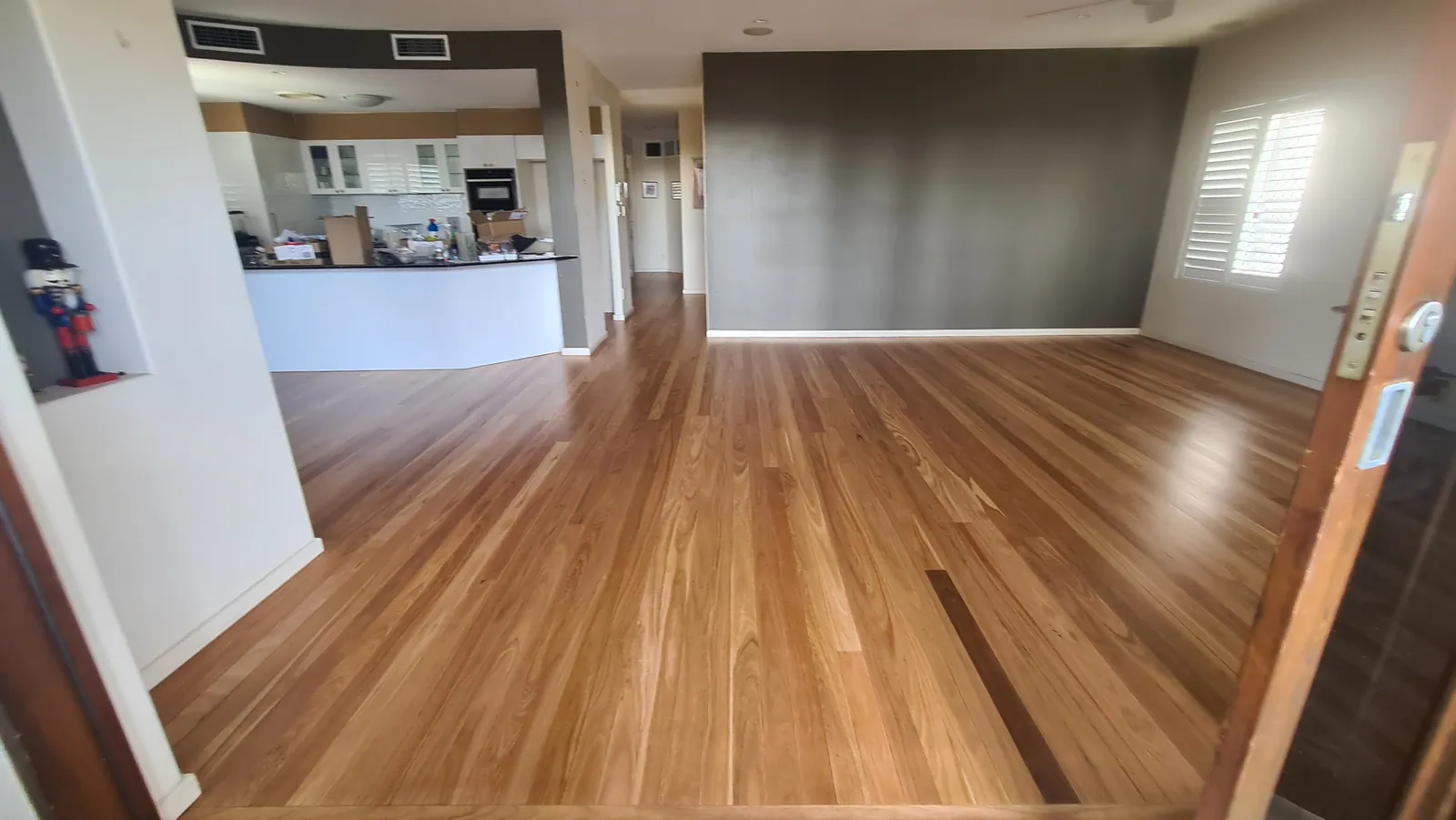
One tin, no hardener, no pot life. A single-pack polyurethane is the sensible choice on a lower-traffic floor, a rental you plan to recoat regularly, or a budget that will not stretch to a 2-pack system.
A single-pack coating cures by reacting with the air and by the carrier evaporating, rather than by two components cross-linking. The film ends up softer and thinner than a 2-pack, so it scratches more easily and wears through sooner in the traffic lanes.
What you get in exchange is simplicity and cost. There is no mixed pot to use up, no waste if the job stops early, and the material itself is cheaper. On the right floor that is a genuinely good trade.
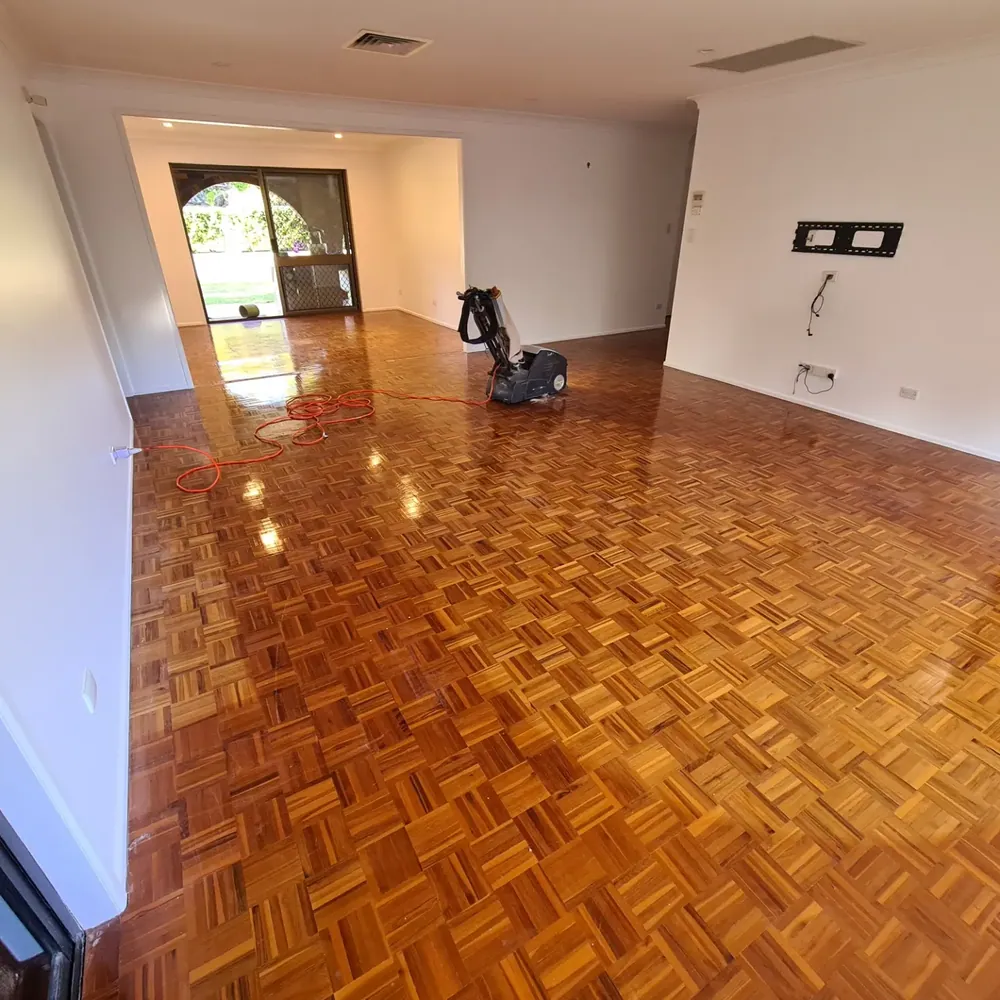
Bedrooms, studies, upstairs living areas and anywhere the traffic is light. Investment properties where the plan is to screen and recoat every few years rather than do a full sand every fifteen. Holiday units that get resurfaced between seasons anyway.
It is also a reasonable answer when a floor has already been sanded several times and is running out of timber above the tongue. A thinner coating system that is easy to refresh beats a heavy build you will have to cut off again later.
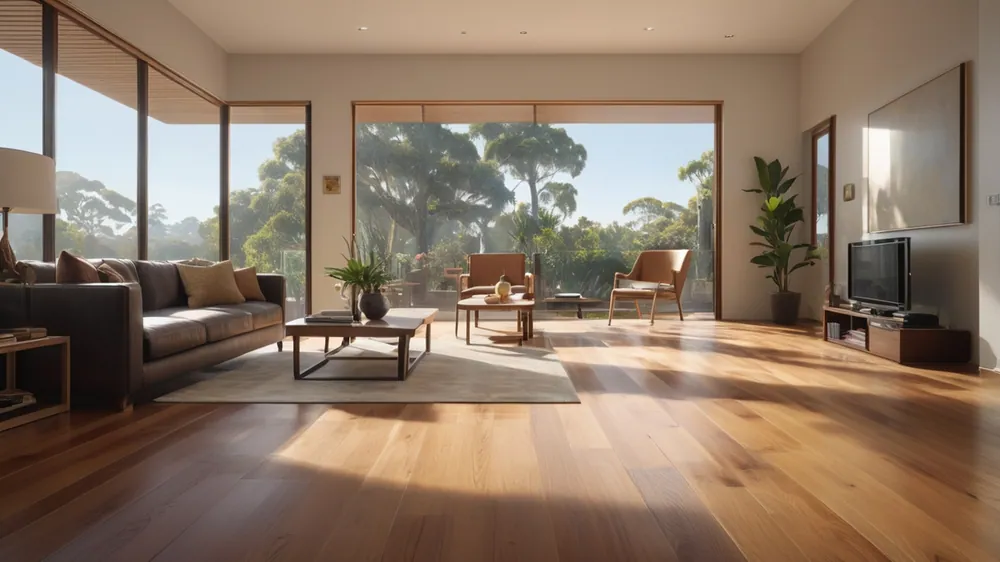
The advantage of a single-pack floor is how easy it is to bring back. When the sheen goes patchy in the hallway, we screen the surface with a fine abrasive, vacuum, and roll another coat on. No full sand, no skirting damage, no week of upheaval, and the floor looks new again.
Do that on schedule and a single-pack floor can outlive a neglected 2-pack one. Leave it until the coating is worn through to bare timber in the traffic lanes and you are back to a full sand.
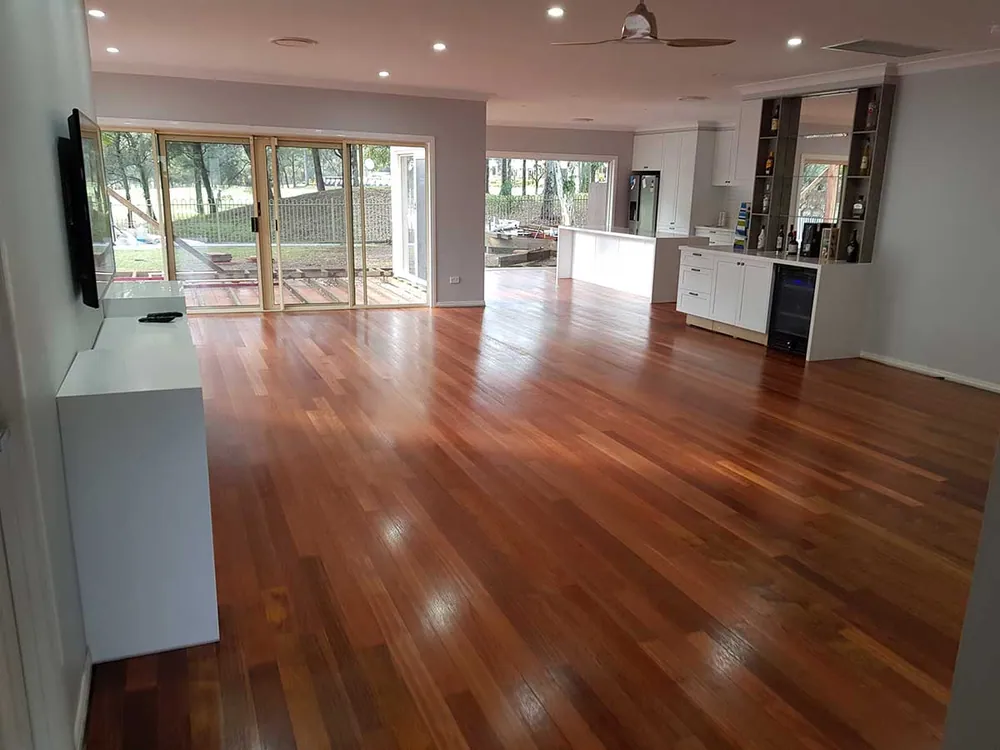
We will not put single-pack down in a kitchen with a dog, in a shop, or anywhere the floor is going to cop it, because you will be disappointed inside two years. If your floor is a high-traffic one and the budget is tight, we would rather do fewer rooms properly in 2-pack than the whole house in something that will not hold up.
On the right floor, yes. On a hallway, kitchen or a house with pets, no. We will tell you which one you have before you commit.
The screen-and-recoat step is a professional job because the abrasion has to be even or the new coat will not bond in patches. It is quick and inexpensive compared with a full sand.
Any time the surface is worn but not through to timber. Most homes get three to six years out of a coat before it needs refreshing.
That is what the free in-home estimate is for. We will look at your timber, show you samples on it, and tell you honestly what will work.
Tell us about your floor and we will get back to you fast, usually the same day, to book a free in-home look and an honest price.
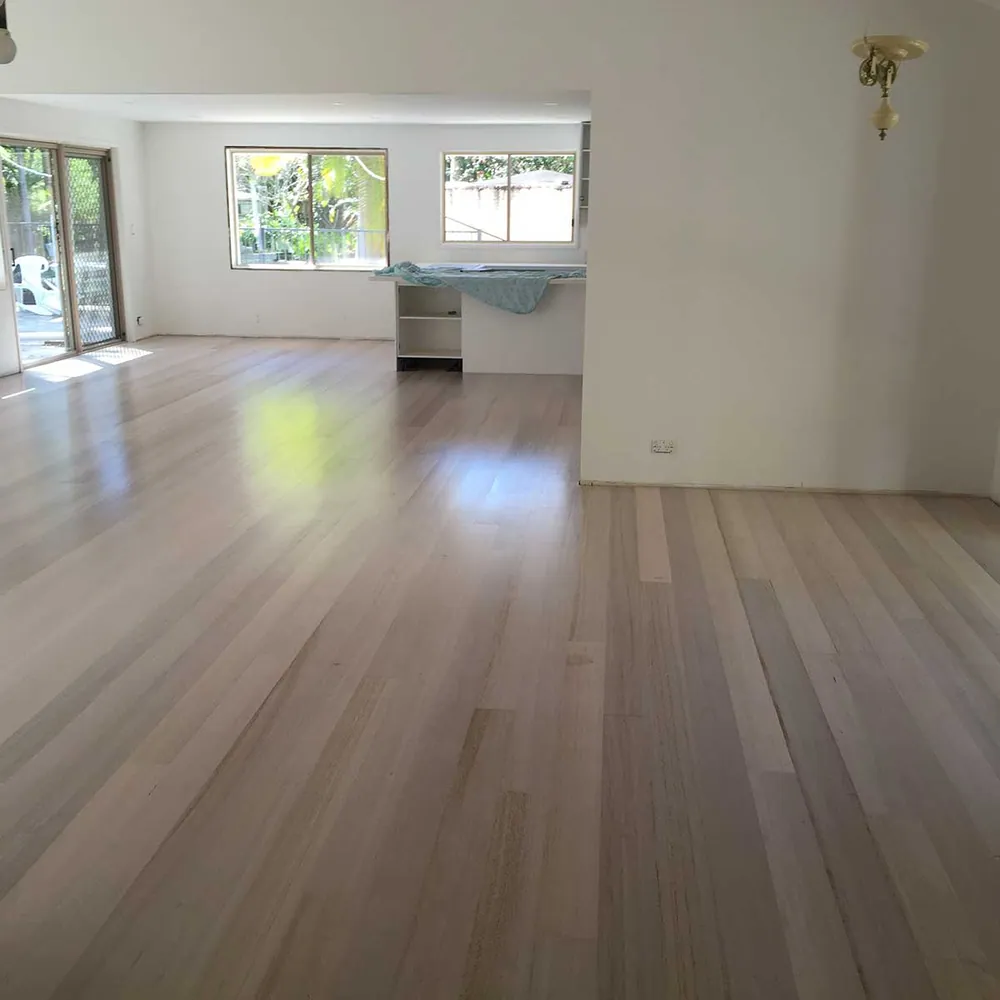
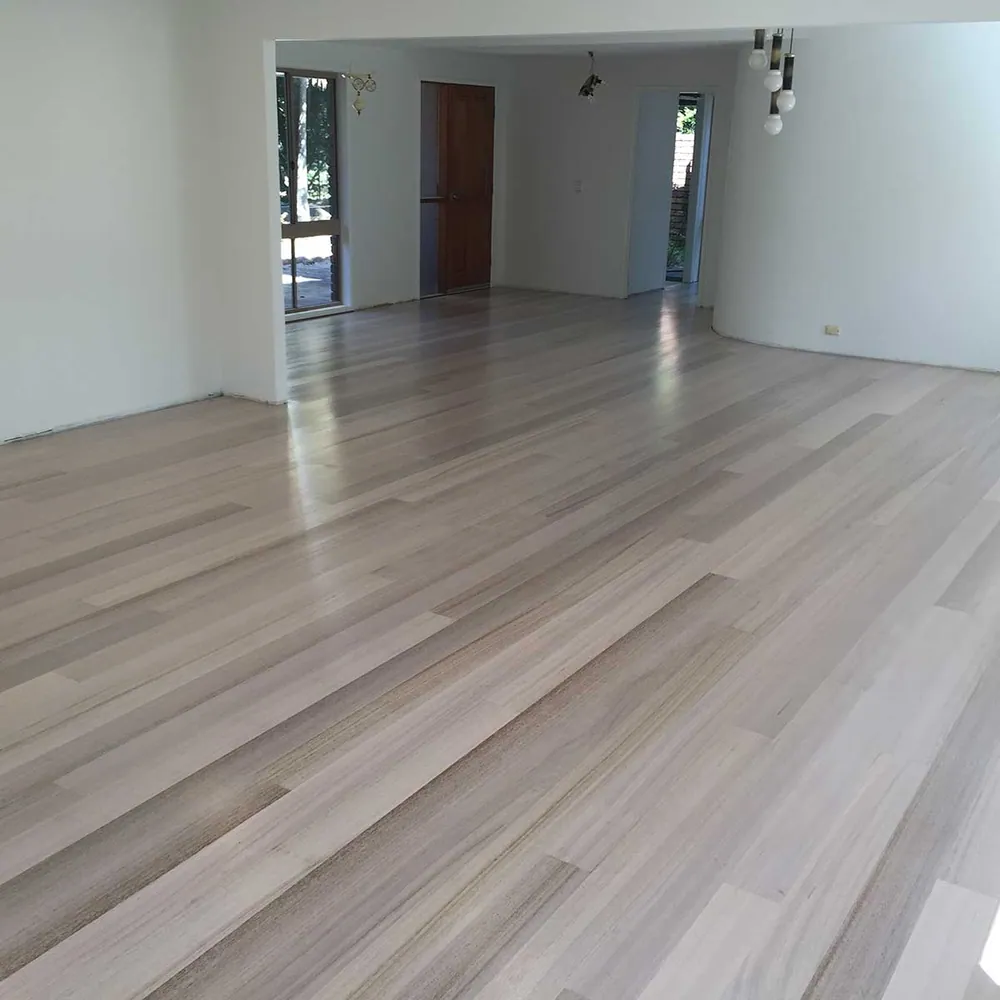
Local timber floor sanding, polishing and restoration across 97 suburbs - from the Logan line and the hinterland to the NSW Northern Rivers. View all areas we service
 Fine FinishedFloors
Floors worth showing off - cut back, stained and finished by Gold Coast specialists since 2010.
22 Springsure Drive,
Mudgeeraba QLD 4213
Monday to Saturday, 7am to 5pm
Servicing the Gold Coast, Logan fringe and Northern NSW to Ocean Shores. Free, no-obligation in-home estimates.